






Introduction
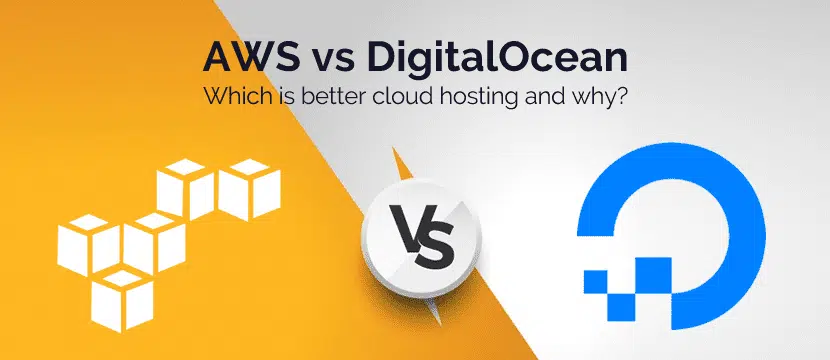
Cloud hosting has become essential for developers, startups, and businesses of all sizes. Two popular names in this space are DigitalOcean and OVHcloud. Both providers deliver cloud infrastructure, scalable resources, and performance-driven services — but they serve slightly different needs. In this comparison, we’ll walk through key differences and help you choose the best cloud hosting platform for your projects.
1. Overview: What Each Provider Is Known For
DigitalOcean
DigitalOcean is widely loved for its simplicity, developer-friendly tools, and predictable pricing. It’s a top choice for startups, small businesses, and developers who want cloud servers without complexity. Its droplets (virtual machines), managed databases, and Kubernetes services are easy to set up even for beginners.
OVHcloud
OVHcloud is a European cloud provider known for flexible infrastructure, high-performance hardware, and strong global presence. OVHcloud offers a broader range of services — from bare-metal servers and blockchain nodes to scalable public cloud instances. It’s often chosen by users who want more control, customization, and cost-effective performance.
2. Server Performance & Reliability
When it comes to performance, both providers hold their own:
- DigitalOcean: Focuses on SSD-powered droplets with strong reliability and predictable uptime. Its networking stack is optimized for quick response and low latency — which helps web apps and APIs run smoothly.
- OVHcloud: Offers a wider selection of hardware options, including dedicated servers and high-performance instances. OVHcloud’s “Anti-DDoS” protection comes built in, which is a bonus for sites that require strong security at the network level.
Verdict: DigitalOcean is great for apps and small servers; OVHcloud scales better for larger, custom workloads.
3. Ease of Use and Developer Experience
- DigitalOcean:
• Intuitive dashboard and easy management
• One-click apps (WordPress, LAMP, Docker, etc.)
• Simple API and CLI tools
DigitalOcean is often recommended for developers who want less setup hassle and more focus on coding.
- OVHcloud:
• Powerful options but more complex interface
• More configuration freedom
• Less beginner-friendly compared to DigitalOcean
Verdict: DigitalOcean wins for simplicity; OVHcloud wins for control.
4. Pricing and Value for Money
- DigitalOcean:
• Simple, predictable pricing
• Transparent billing
• Good for startups and projects with steady usage - OVHcloud:
• Competitive pricing, often cheaper at scale
• More hardware options with lower base costs
Verdict: DigitalOcean is easier on budgeting; OVHcloud can be more cost-effective for high-performance or large deployments.
5. Global Data Centers and Infrastructure
- DigitalOcean: Data centers in North America, Europe, and Asia — enough for most global applications.
- OVHcloud: Strong presence in Europe and expanding globally with more region choices, which is great for compliance and latency optimization.
Verdict: OVHcloud offers wider geographic flexibility; DigitalOcean has solid coverage for most mainstream use cases.
6. Managed Services and Ecosystem
- DigitalOcean:
• Managed databases
• App platform (PaaS)
• Kubernetes support
• Marketplace with prebuilt stacks - OVHcloud:
• Flexible public cloud services
• Bare-metal servers
• Container services
• Backup and disaster recovery tools
Verdict: DigitalOcean excels in managed tools for developers; OVHcloud excels in raw infrastructure diversity.
7. Security and Compliance
Both providers offer strong security features:
- DigitalOcean: Built-in firewalls, private networking, SSL support.
- OVHcloud: Hardware-level Anti-DDoS, compliance with European data protection standards (GDPR), and advanced security controls.
Verdict: OVHcloud often appeals more to businesses with strict compliance needs.
8. Support and Community Resources
- DigitalOcean:
• Large, active community
• Comprehensive tutorials
• Paid support plans - OVHcloud:
• Official support tiers
• Knowledge base
• Community forums
Verdict: DigitalOcean’s community and tutorials make learning easier; OVHcloud’s support can be better for enterprise-level setups.
Conclusion: Which One Should You Choose?
Here’s how to decide based on your needs:
- Choose DigitalOcean if:
• You want simplicity and developer-friendly tools
• Predictable pricing is important
• You’re building small to medium apps, MVPs, or startup products - Choose OVHcloud if:
• You need custom hardware, bare-metal options, or advanced networking
• You are building large infrastructure projects
• You want strong compliance options and powerful performance at scale
Both providers are excellent in their own ways — it ultimately comes down to your project requirements, budget, and how much control you want over your hosting environment.


Add Comment