






Introduction
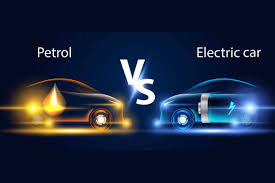
As the world moves toward greener alternatives, the debate between electric vehicles (EVs) and petrol cars has become increasingly relevant. Both have their own advantages and challenges, and choosing the right option depends on factors such as cost, environmental impact, and long-term convenience. In this article, we explore the key differences between electric and petrol cars to help you make an informed decision for a sustainable future.
- Engine and Fuel Type
- Petrol Cars: Use internal combustion engines (ICE) powered by petrol fuel. Combustion produces energy to move the car.
- Electric Cars: Powered by rechargeable batteries and electric motors. No petrol or diesel is required.
Takeaway: EVs eliminate fuel costs but rely on charging infrastructure, while petrol cars require gas stations but have a familiar refueling system.
- Environmental Impact
- Petrol Cars: Emit carbon dioxide and other pollutants during operation, contributing to air pollution and climate change.
- Electric Cars: Produce zero tailpipe emissions. However, the environmental impact depends on how the electricity is generated (renewable sources vs fossil fuels).
Takeaway: EVs are more environmentally friendly overall, especially when paired with green energy sources.
- Cost of Ownership
- Petrol Cars: Typically cheaper upfront, but fuel and maintenance costs add up over time. ICE engines have more moving parts, leading to higher servicing needs.
- Electric Cars: Higher initial cost due to battery technology, but lower running costs. Fewer moving parts mean less maintenance and no fuel expenses.
Takeaway: EVs may save money in the long term despite a higher purchase price.
- Performance and Driving Experience
- Petrol Cars: Provide familiar driving dynamics with gradual acceleration. Engine sound and gear shifting are part of the experience.
- Electric Cars: Deliver instant torque, smooth acceleration, and a quieter ride. Regenerative braking improves energy efficiency.
Takeaway: EVs offer a modern and responsive driving experience, while petrol cars appeal to traditional drivers.
- Range and Refueling/Recharging
- Petrol Cars: Can travel long distances quickly with fast refueling at gas stations.
- Electric Cars: Range varies by model, typically 250–500 km on a single charge. Charging takes longer than filling a tank, though fast chargers are reducing wait times.
Takeaway: Petrol cars currently excel in long-distance convenience, but EV infrastructure is rapidly improving.
- Government Policies and Incentives
- Many governments provide subsidies, tax benefits, and incentives for electric vehicles to promote green mobility.
- Petrol cars are often subject to higher taxes, fuel levies, and stricter emission norms in urban areas.
Takeaway: EV buyers may benefit from significant cost savings through government schemes.
- Technology and Future Prospects
- Petrol Cars: Technology improvements are mainly in engine efficiency and hybrid models.
- Electric Cars: Rapid innovation in battery technology, AI-assisted features, and smart connectivity makes EVs future-ready.
Takeaway: EVs are aligned with long-term sustainability goals and smart mobility trends.
Conclusion
Both petrol and electric cars have their pros and cons. Petrol cars are convenient, familiar, and ideal for long trips. Electric cars, however, are environmentally friendly, cheaper to run, and designed for a sustainable future. As battery technology improves and charging infrastructure expands, EVs are becoming a practical choice for everyday use.
For individuals looking to reduce their carbon footprint and embrace modern technology, electric vehicles are the way forward. Petrol cars remain relevant for those prioritizing affordability and long-range convenience today.

Add Comment